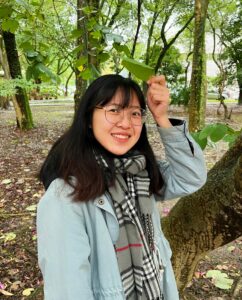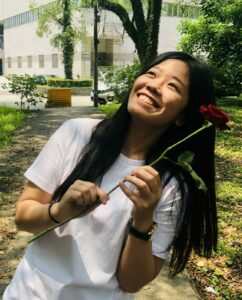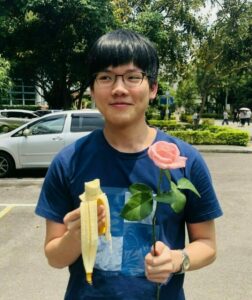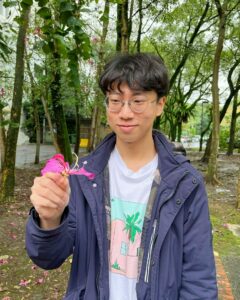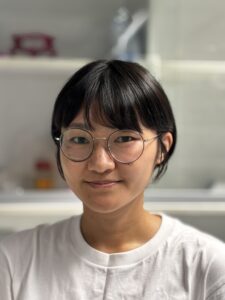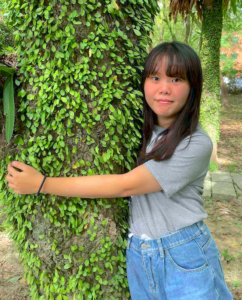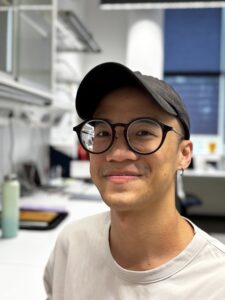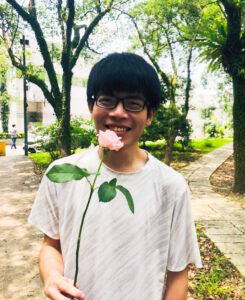
Members

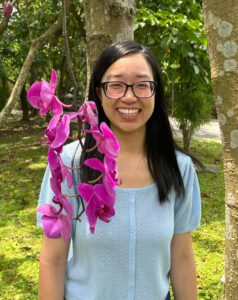
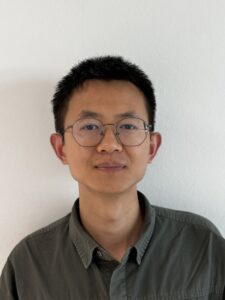
Yen-Ping Hsueh
薛雁冰

Principal investigator
EMBO Global Investigator
EMBO Young Investigator
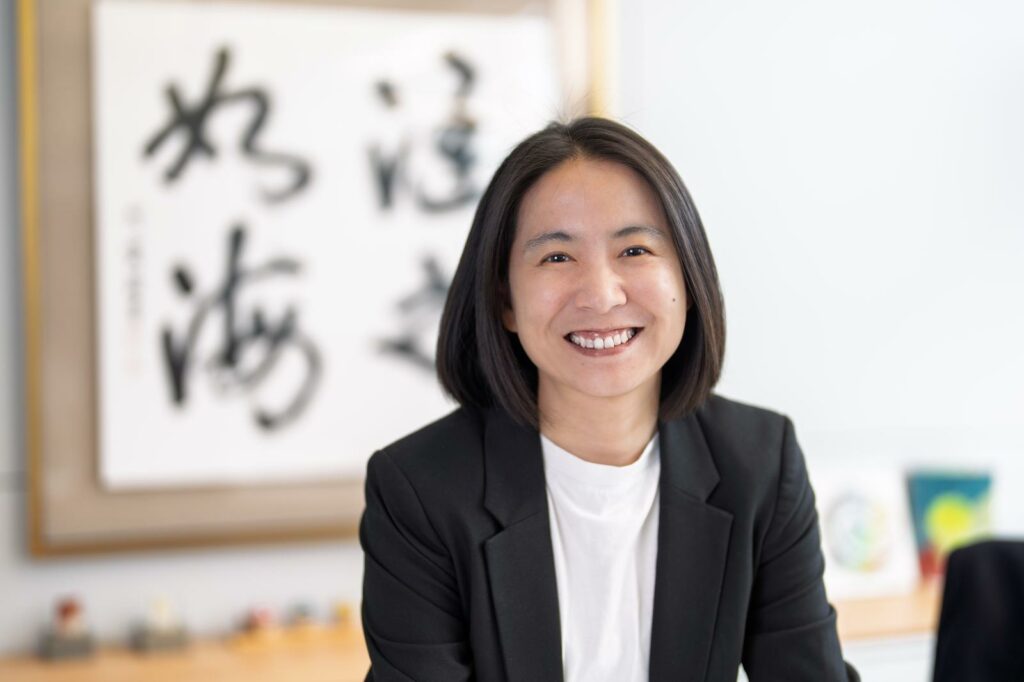
Yen-Ping Hsueh received her undergraduate (2001) and master’s (2003) degrees from National Taiwan University where she majored in Plant Pathology and Microbiology. In 2003, she joined Department of Molecular Genetics and Microbiology at Duke University and conducted her graduate work on the genetics and evolution of the sexual cycle and the mating-type locus of the human fungal pathogen Cryptococcus neoformans under the mentorship of Dr. Joseph Heitman. In 2010, she moved to Caltech and joined Dr. Paul Sternberg’s group as a postdoctoral fellow to study the predator-prey interactions between the nematode-trapping fungi and C. elegans. In 2015, Ping returned to Taiwan and established her independent laboratory at IMB, Academia Sinica. In 2023 Ping was appointed director at the Max Planck Institute for Biology in Tübingen, Germany. Since then she has started moving her lab there, while at the same time retaining close ties and academic collaboration with Academia Sinica.

The Hsueh lab studies the predatory-prey interactions between carnivorous fungi and C. elegans and is broadly interested in diverse questions in Biology. We employ multidisciplinary approaches that include genetics, genomics, imaging analyses, computational biology, and biochemistry to address diverse questions of interest in our unique predator-prey systems.

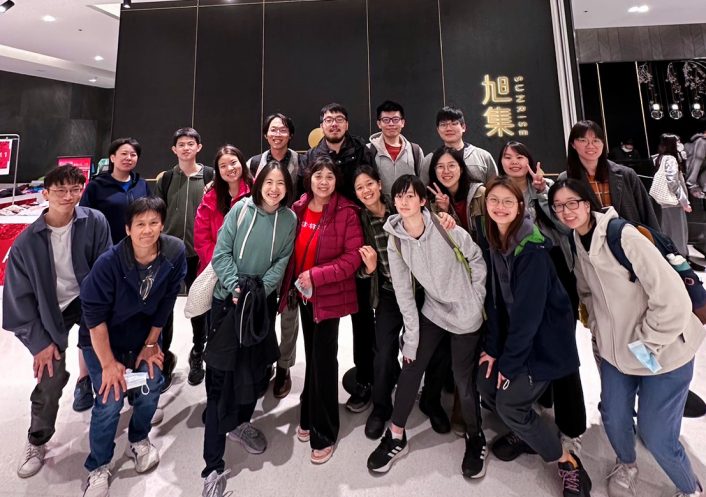
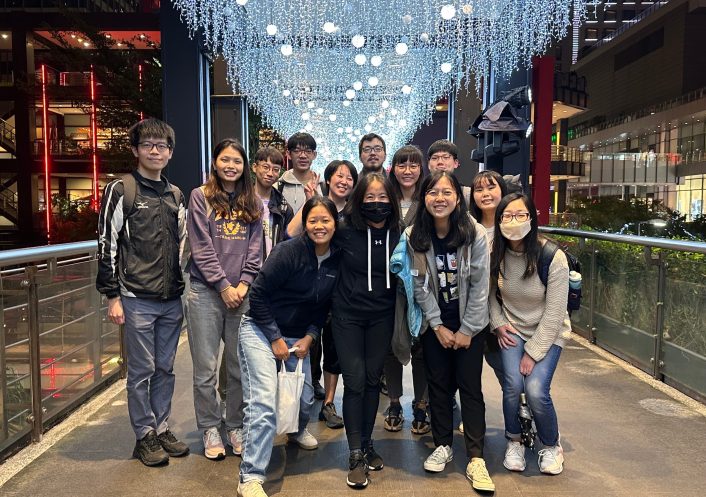
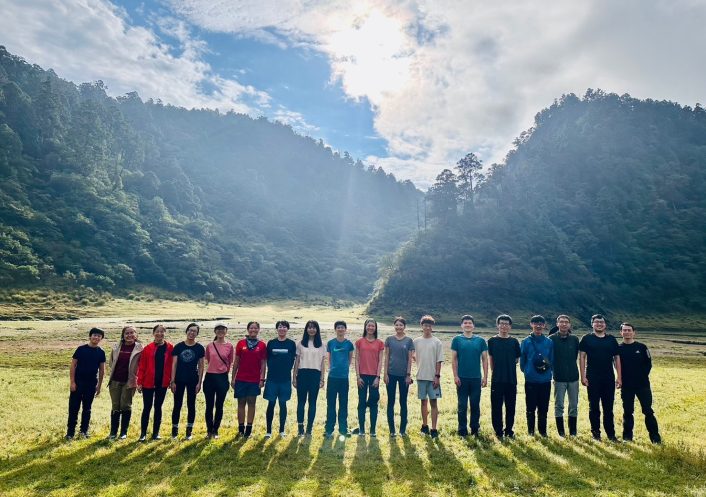
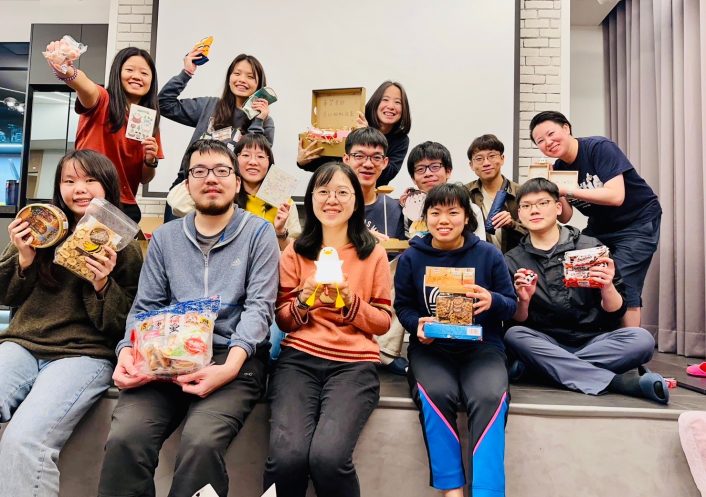
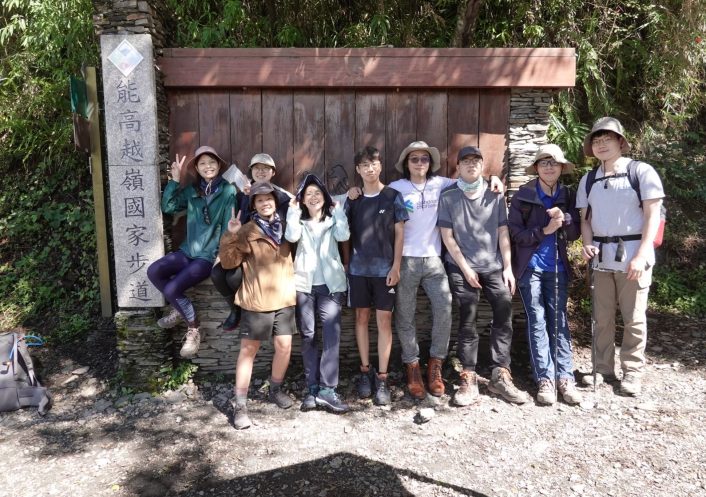
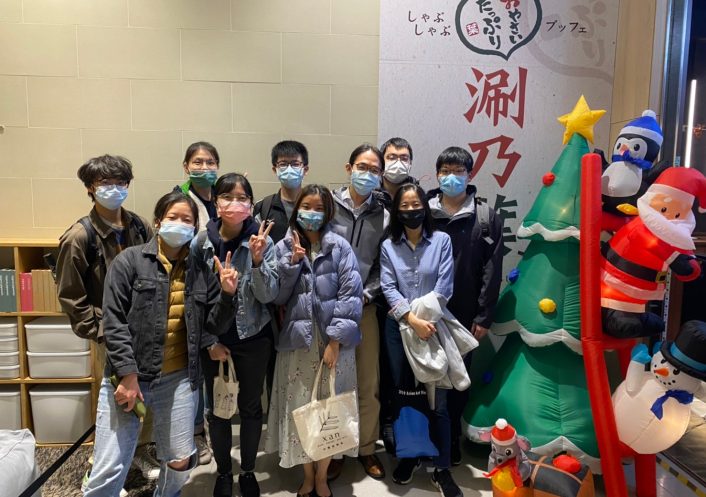
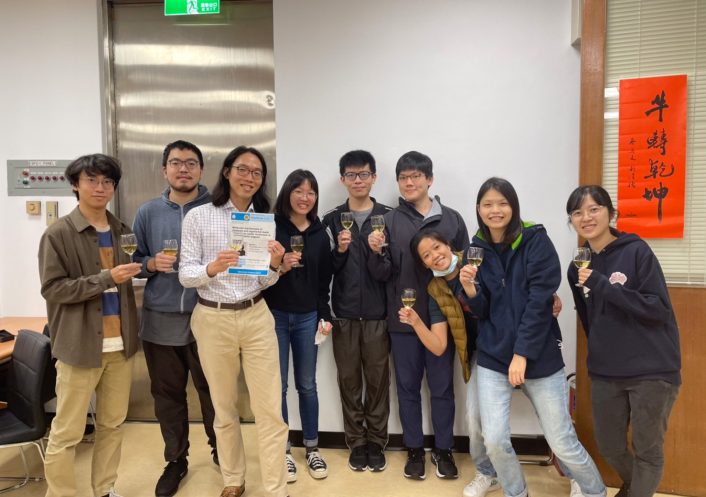
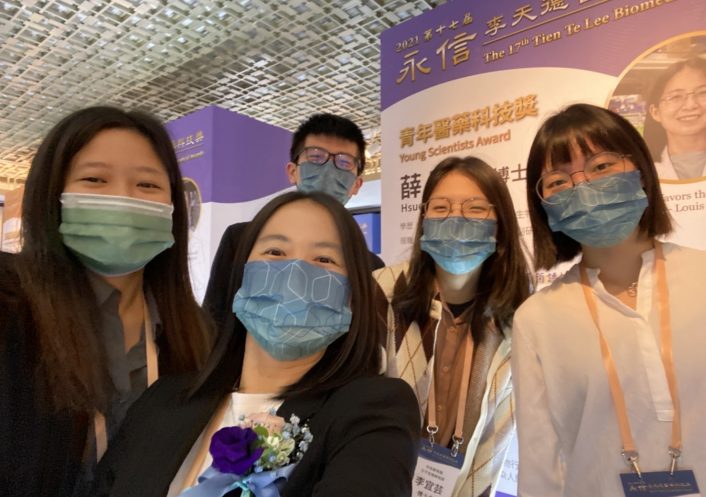
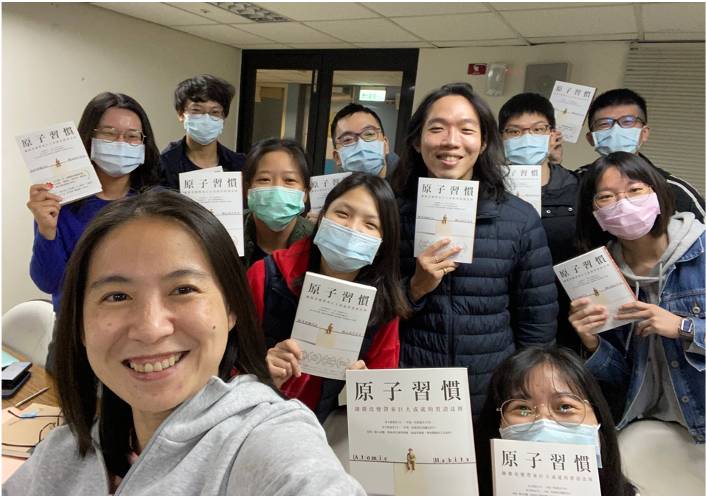
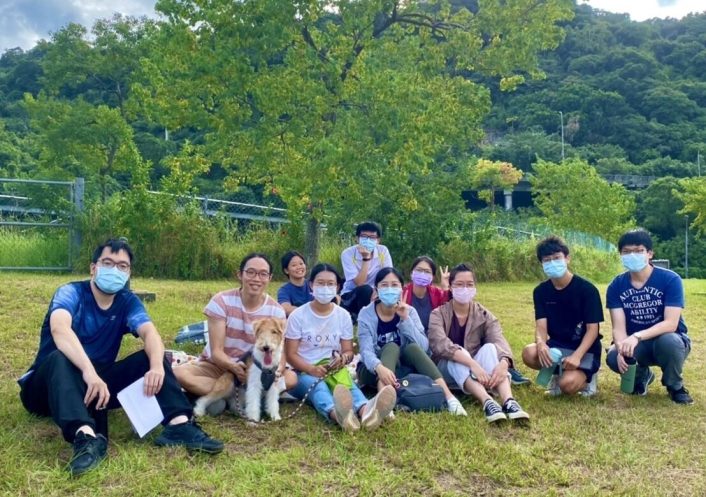
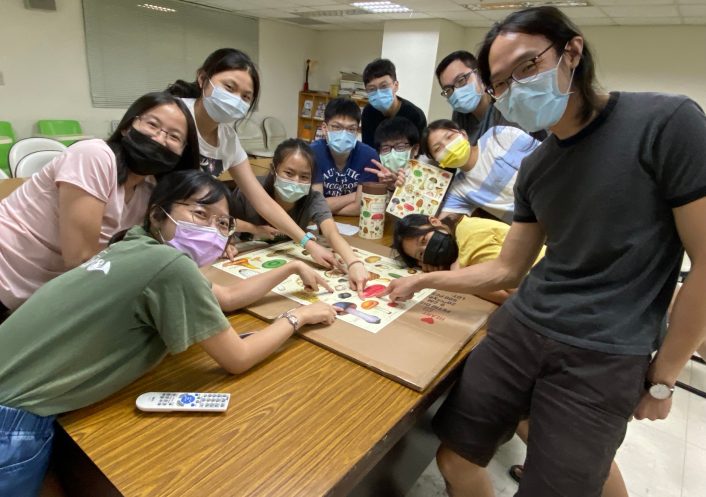
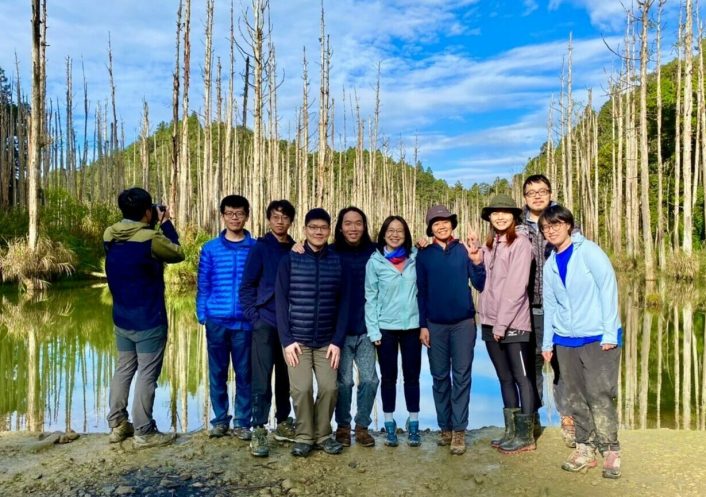
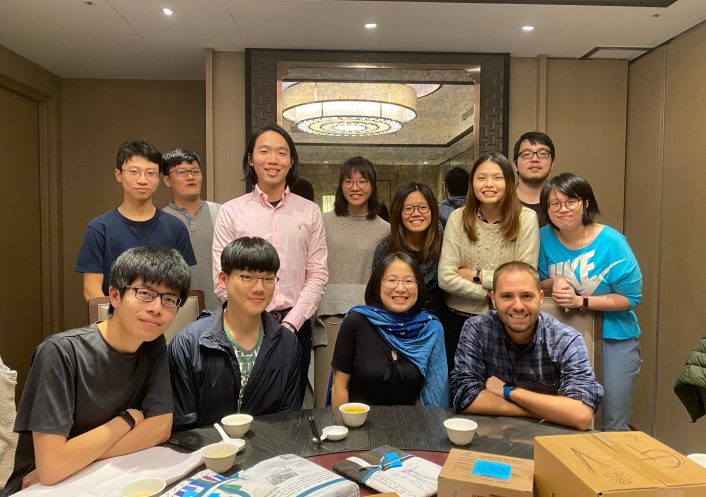
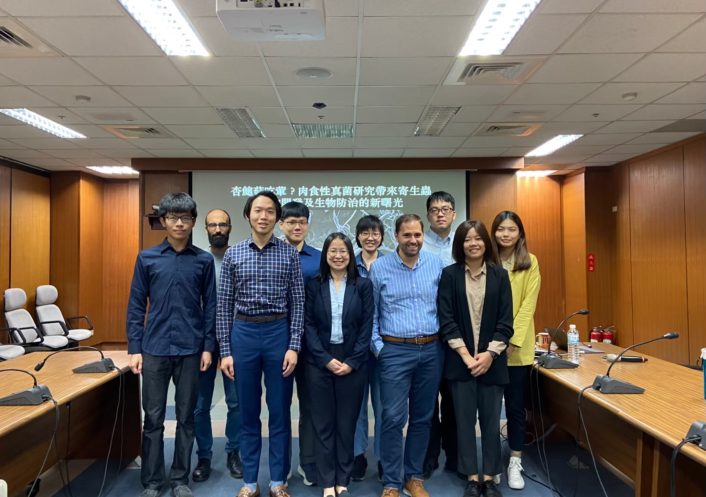
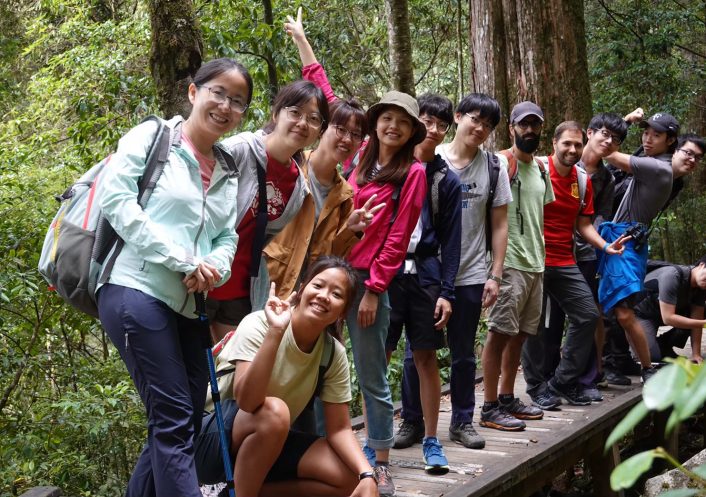
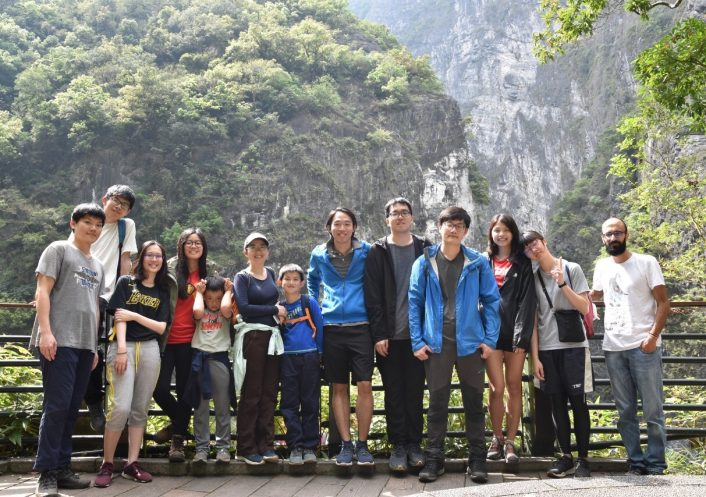
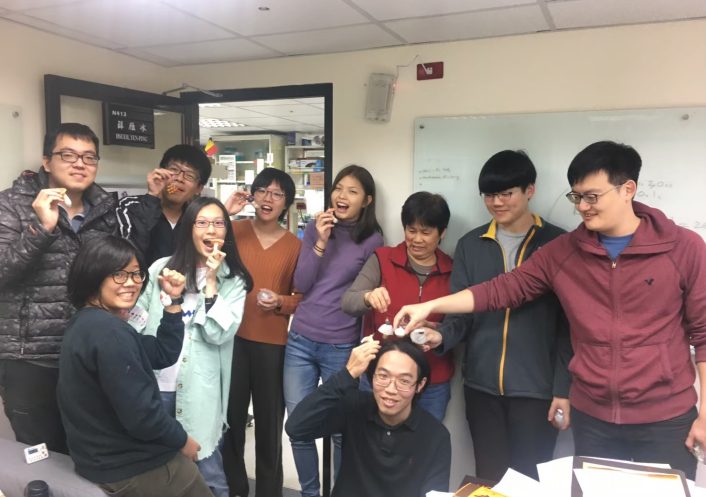
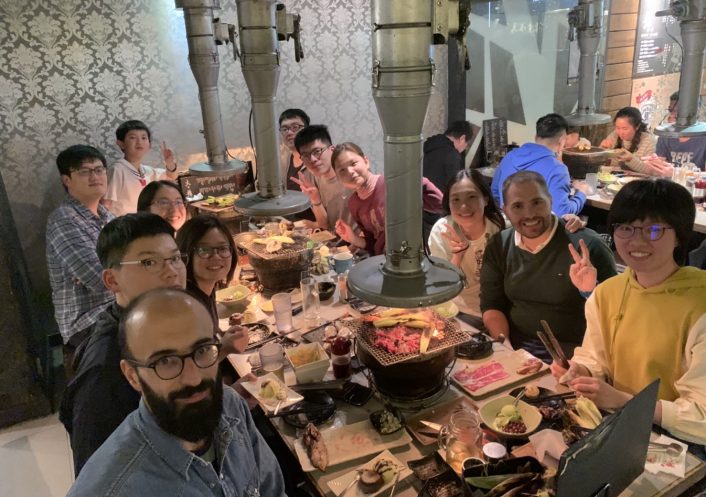
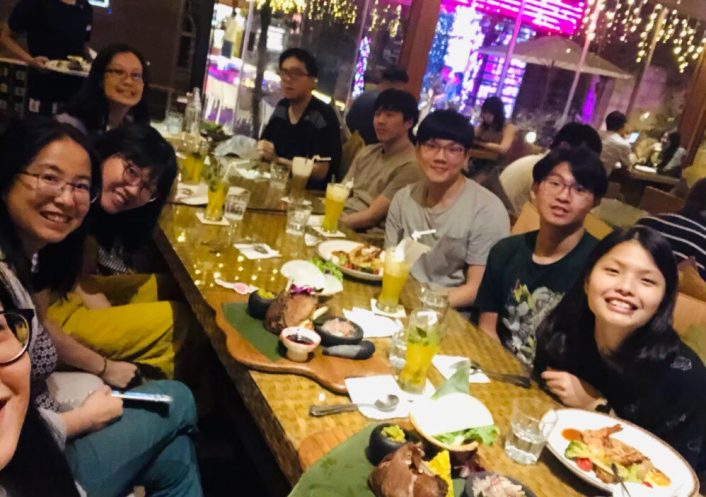
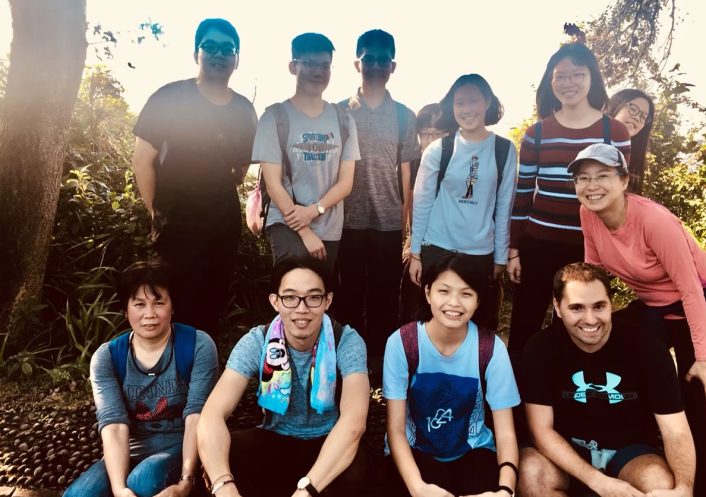
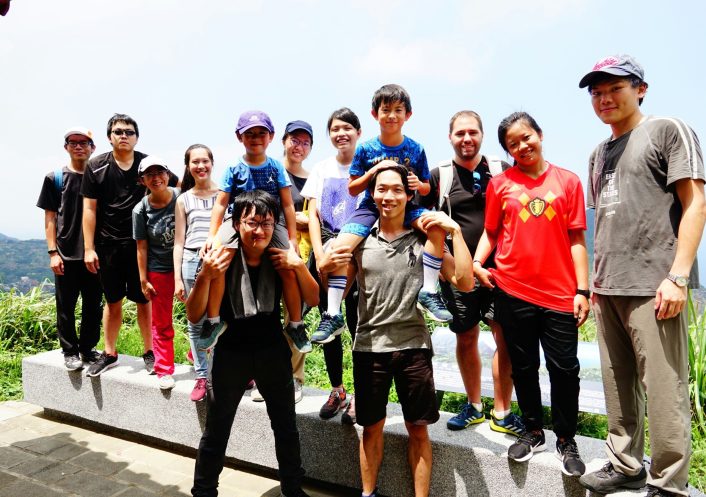
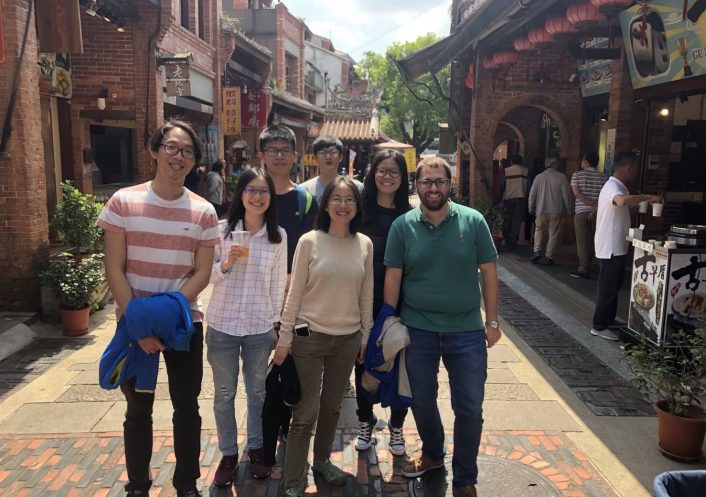
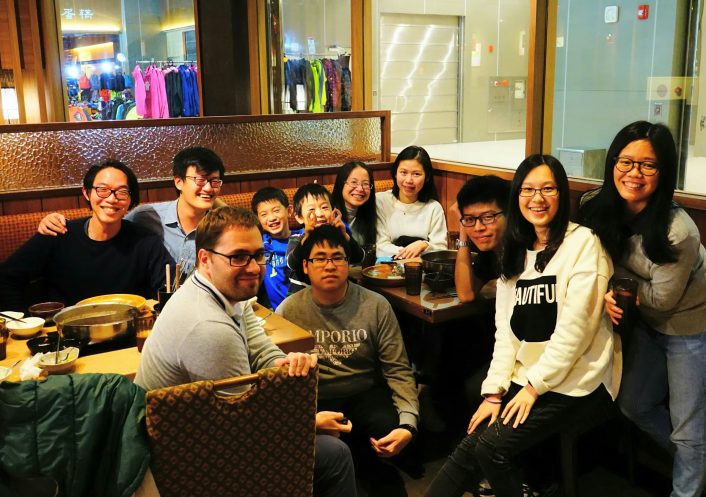
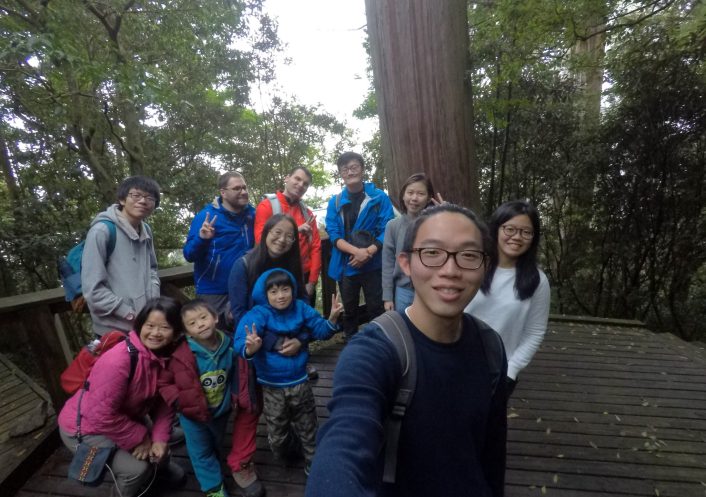
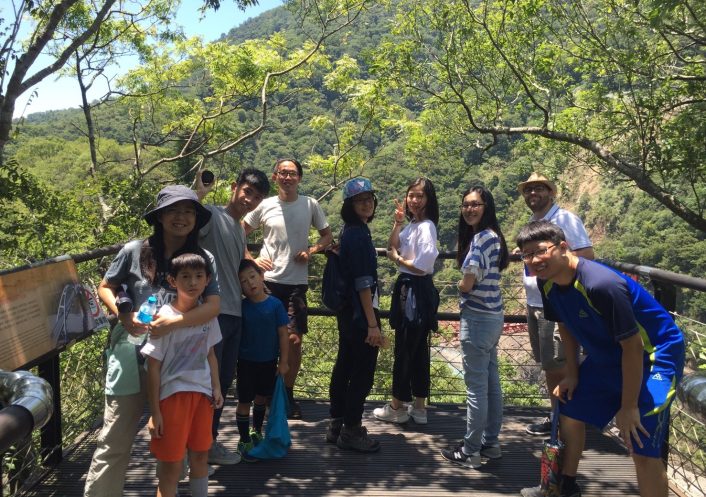
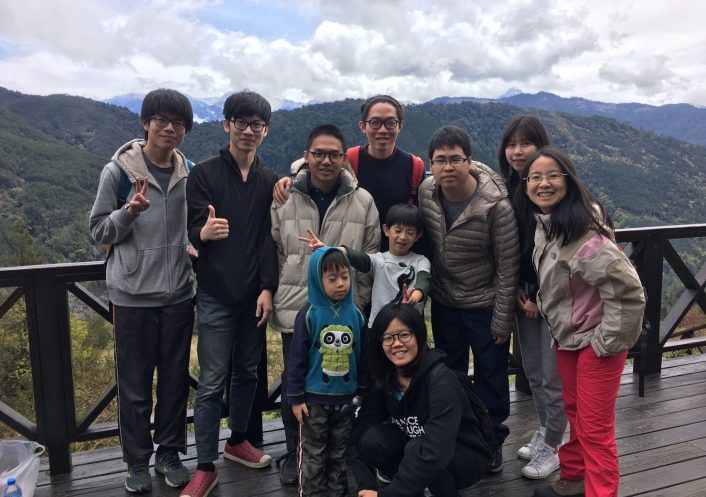
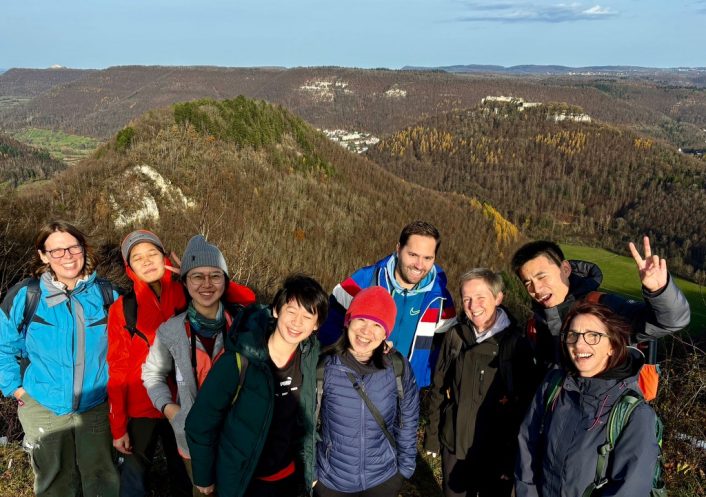
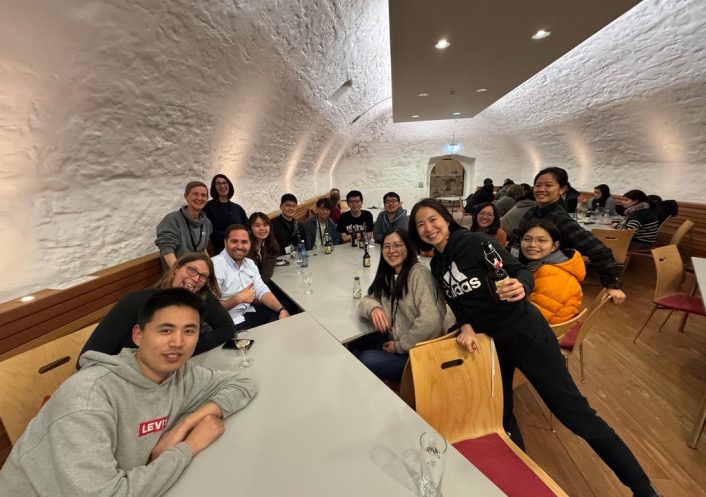
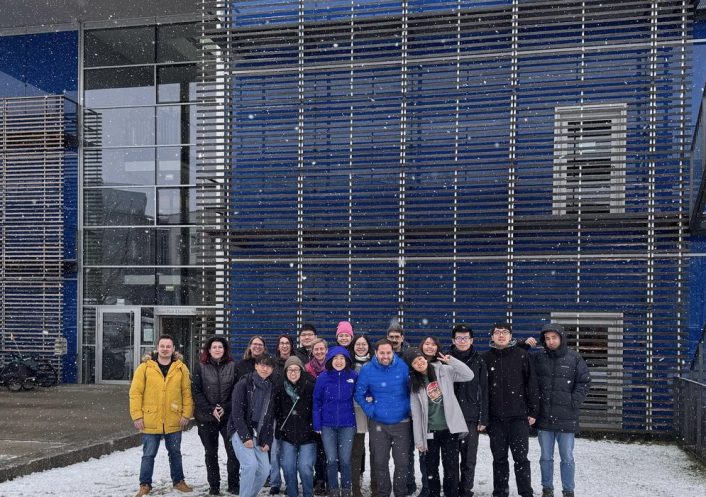
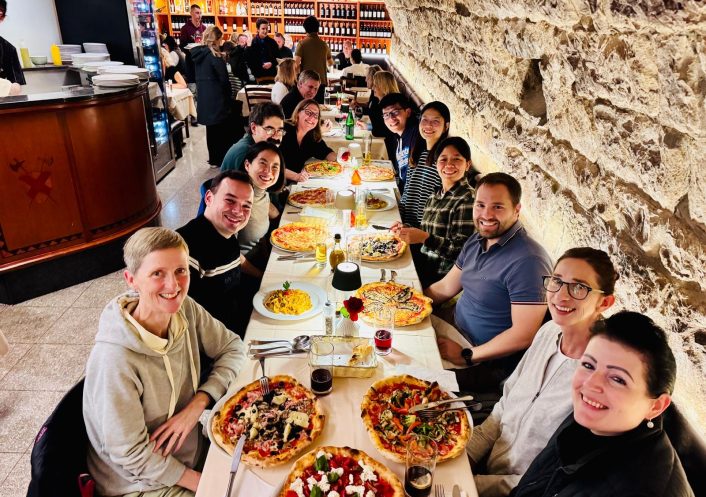
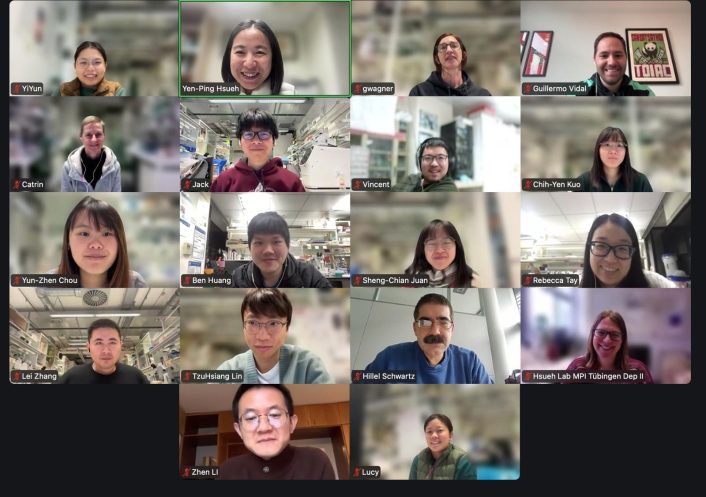
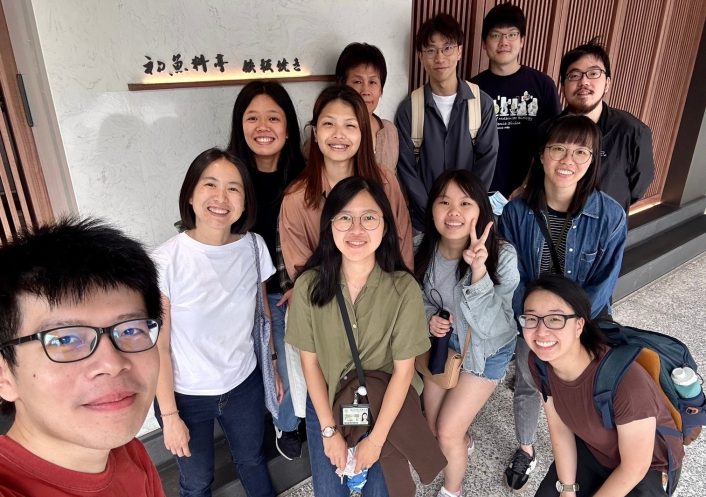
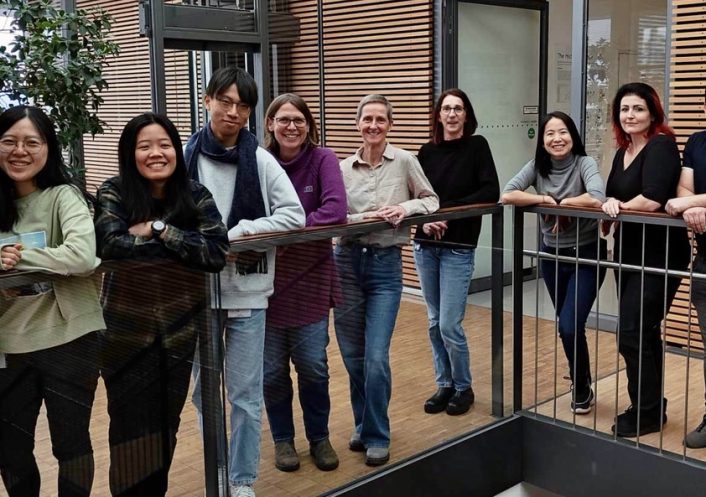
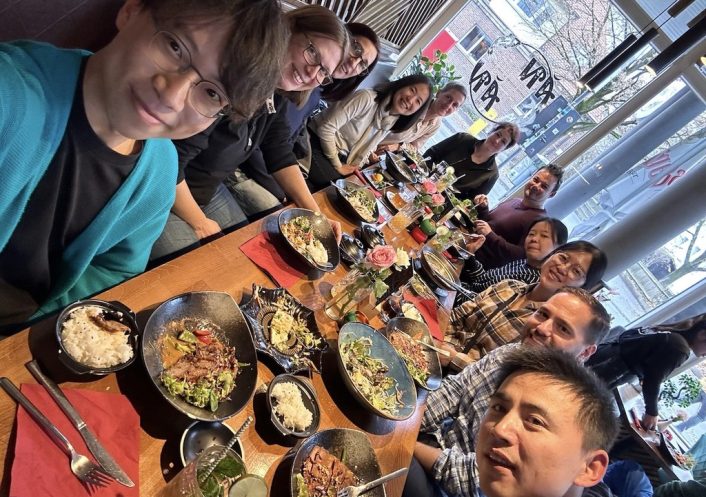
Group photos

Members

Hillel Schwartz

Project Leader
✉️hillel.schwartz@tuebingen.mpg.de
 
I am using the entomopathogenic nematode Steinernema hermaphroditum to study host-pathogen interactions, symbiosis, and the evolution of animal biology.


Rebecca Jessica Tay 鄭秀峰

Postdoctoral Fellow

✉️ rebeccajtay1@gmail.com

I first became interested in nematode biology during my Ph.D. at Johns Hopkins University, where I studied small RNA biology in C. elegans. My research now focuses on understanding the nematode-derived signals that induce trap formation in Arthrobotrys oligospora and the response of nematodes to fungal predation.

Sheng-Chian Juan 阮聖茜

Ph.D. Student, IMPRS From Molecules to Organisms

✉️ sheng-chian.juan@tuebingen.mpg.de

My research investigates how nematophagous fungi capture and kill nematodes, focusing on cell types in nematode-trapping fungi and genes involved in toxocyst formation in oyster mushroom.

Chih-Yen Kuo 郭芷嫣

Postdoctoral Fellow

✉️chih-yen.kuo@tuebingen.mpg.de

I have a PhD from the National Defense Medical University, Taiwan. My research investigates how the nematode-trapping fungus A. oligospora reprograms its cellular machinery in response to nematode-derived signals. I combine live-cell imaging, quantitative image analysis, and genetics to uncover how cell polarity, the cytoskeleton, and ROS signaling coordinate trap and infection structures development.

Ching-Ting Yang 楊景婷​

Lab Manager​

✉️ ching-ting.yang@tuebingen.mpg.de​

 
I manage the reagents, ordering, etc. I also work on nematodes and nematode-trapping fungi wild isolated.

Tsung-Yu Huang 黃孮每育​

Ph.D. Student, TIGP Molecular & Cell Biology Program ​

✉️ unobenben@gmail.com​

I am interested in how nutrient signaling plays a role in nematode predation in A. oligospora, particularly the molecular switches that trigger the trap formation.

Tzu-Hsiang Lin 林子翔

Ph.D. Student, IMPRS From Moleculers to Organisms
✉️ tzu-hsiang.lin@tuebingen.mpg.de
 
My interest in science began in high school, when I studied stress responses in duckweed. Driven by a passion for basic biological research, I continued my academic training here as a master’s and PhD student. My research explores how C. elegans senses and responds to the predatory fungus Arthrobotrys oligospora. In particular, I study chemotaxis toward the fungal volatile MMB, which is mediated by the G protein-coupled receptor STR-268. I am also interested in how behavioral traits evolve, from the neuronal circuits to the transcriptomic responses of C. elegans during fungal predation. Ultimately, I hope to understand cross-species interactions across multiple biological scales, from genes to circuits to behavior and evolution. Outside the lab, I enjoy Taiwan and Japanese literature. I am sure I will learn to enjoy writing grants and papers just as much someday.

Lei Zhang

Postdoctoral Fellow

✉️ lei.zhang@tuebingen.mpg.de

I received my PhD degree at the University of Freiburg, Germany. My research focuses on the molecular interactions between the nematode-trapping fungus A. oligospora and its prey C. elegans. I investigate the small molecules that mediate different stages of fungal predation, including C. elegans-derived signals that trigger trap formation, and fungal metabolites involved in predatory process. Understanding these chemical interactions provides new insights into the molecular mechanisms of predation, fungal biology, and predator–prey communication.

Yi-Yun Lee 李宜芸​

Postdoctoral Fellow

✉️ yi-yun.lee@tuebingen.mpg.de

I received my Ph.D. from the National Defense Medical Center in Taiwan. My research focuses on the interactions between nematodes and the carnivorous fungus Pleurotus ostreatus (oyster mushroom). In particular, I investigate toxocyst formation in P. ostreatus and the nematocidal compounds contained within these specialized structures. I have also developed cellular markers to visualize actin, septins, and proteins involved in cell polarity.

Han-Wen Chang 張瀚文

Postdoctoral Researcher

✉️ han-wen.chang@tuebingen.mpg.de

My research investigates how the nematode Caenorhabditis elegans is captured by the adhesive traps of the nematode-trapping fungus Arthrobotrys oligospora. Using genetic approaches, we identified the nuclear hormone receptor NHR-66 as an important regulator of this interaction. NHR-66 controls cuticular collagen genes and glycosylation-related enzymes that influence the surface properties of C. elegans. These factors are crucial for the adhesion of the nematode to fungal traps.

Yi-Jyun Chen

PhD Student

✉️  yi-jyun.chen@tuebingen.mpg.de

My research interest is to explore the interactions between nematode-trapping fungi and nematodes from different perspectives.

Yun-Zhen Chou 周筠臻

Research Assistant​

✉️ yun-zhen.chou@tuebingen.mpg.de

My research investigates the molecular mechanism underlying how the nematode-trapping fungus A. oligospora catches its prey.

Weiqi Liu

Research Assistant

✉️ weiqi.liu@tuebingen.mpg.de

My research focuses on small molecules involved in fungal predation.

Hung-Che Lin 林宏澤​

Research Assistant​

✉️ hungche.lin@tuebingen.mpg.de ​

I study how a fungus uses a natural glue to catch worms.

 Zhen Li

Postdoctoral Fellow

✉️ zhen.li@tuebingen.mpg.de

I am an evolutionary biologist who received my Ph.D. in Evolutionary Biology from Université Paris-Saclay, France. My current research focuses on the genomics and evolution of nematode-trapping fungi (NTF). Using comparative and population genomics, I investigate the genetic basis of fungal carnivory and how genome variation across natural populations shapes adaptation and biodiversity.

 Sung-Ya Lin

Postdoctoral Fellow

✉️ sung-ya.lin@tuebingen.mpg.de

I received my Ph.D. at the University of Pennsylvania, USA. I work on the causes and consequences of the rapid evolutionary innovation of chemosensory receptors in Caenorhabditis. I am particularly interested in identifying the molecular interfaces of predator-prey evolutionary arms race and understanding the consequences of the rapid evolution. I will combine genetic, evolutionary, transcriptomic approaches, and behavioral assays to address such interspecific coevolution.

Liang-Yu Hou

Postdoctoral Fellow

✉️ liang-yu.hou@tuebingen.mpg.de

I received my PhD from Ludwig-Maximilians-Universität München. My research interests focus on molecular interactions between organisms, particularly how fungi capture and manipulate their prey. I am currently studying nematode-trapping fungi and investigating how effector-like proteins contribute to nematode predation.

Priyadharshini Sakthivel

Intern

✉️priyadharshini.sakthivel@tuebingen.mpg.de

Given how cunningly efficient our favourite nematophagous predators are, is C. elegans really just fated to die? Not always, worms are remarkably resilient, you see. So, I’m interested in understanding the worm’s perspective on fungal predation and how it drives their behavioural adaptations. Currently, I’m exploring the dynamics of stress-induced quiescence in wild isolates of C. elegans following capture by nematode-trapping fungi to understand the molecular mechanisms that might mediate their behaviour.

Pratyush Kumar Biswal

Intern

✉️ pratyush.kumarbiswal@tuebingen.mpg.de

Fungi killing and eating worms was definitely not on my bingo card, but here we are. I explore the gene/trait origins of our worm-killing fungi; whether they are a novel creation or borrowed from someone. I currently work on identifying horizontally transferred genes, and explore their significance in the evolution of these special fungi. (In short, I am trying to identify the “someone”). PS: Any topic related to geology, history or geography is great way to strike up a conversation with me.

Emilia Vogt

Intern

✉️emilia.vogt@tuebingen.mpg.de

Catrin Weiler

Technical Assistant

✉️ catrin.weiler@tuebingen.mpg.de​

I provide technical and operational support in the lab, helping postdocs turn ideas into successful experiments, while also serving as translator between the lab and the outside world. Keeping the science running and the chaos mostly contained.

Gabi Wagner

Technical Assistant

✉️ gabriele.wagner@tuebingen.mpg.de​

I facilitate the preparation and execution of experimental protocols, while also managing variables that fall outside strict biological inquiry, such as battling any regulation-compliant object transportation bureaucracy.

Max Widmann

Lab Aide

✉️ max.widmann@tuebingen.mpg.de​

My responsibilities include sterilizing various lab solutions and restocking essential supplies to ensure smooth daily operations. Additionally, I am in charge of autoclaving and washing laboratory glassware, as well as cleaning the laboratory environment.

Nadine Weiss

Lab Aide

✉️ nadine.weiss@tuebingen.mpg.de​

My job involves preparing media on demand and autoclaving it before casting it into plates. I then further process and coat these plates, while also maintaining the machines and equipment required for media production.

Florentine Lempp-Dagan

Assistant

✉️ office-cbi@tuebingen.mpg.de

My work investigates the administrative substrate that underlies all functional research ecosystems. My role focuses on the active transport of documentation across institutional membranes, real-time troubleshooting of bureaucratic obstacles and the efficient distribution of information, resources, and goodwill throughout the department. Preliminary results indicate that a well-optimized office admin significantly increases overall lab morale.

Former members
Current Status

Tomoyo Iizuka 飯塚朋代
2022.11-2024.5 (Postdoctoral fellow)
Postdoctoral fellow, Genome Diversity Laboratory, National Institute of Genetics, Mishima, Shizuoka, Japan
Ching-Han Lee 李京翰
2015.11-2022.9 (Research assistant, Ph.D. student and Postdoctoral fellow)
Postdoctoral fellow, Department of Biology, New York University, US
Chia-En Tsai 蔡佳恩
2021 Fall (MCB rotation student)
Ph.D. student, TIGP Molecular & Cell Biology Program
Yu-Hsun Huang 黃榆薫
2020.8-2021.7 (Research assistant)
Sheng-An Chen 陳聖安
2017.9-2021.6 (Research assistant)
Ph.D. student, program of Biology, Duke university
Pedro Gonçalves 佩德洛
 2019.3-2020.11(Postdoctoral fellow)
Visiting Assistant Professor, Department of Cell Biology and Anatomy, National Cheng Kung University
Ching-Wen Chang 張晴雯
2017.5-2020.1 (Master student and Research assistant)
Senior engineer, Department of Quality Control Engineering, Win Semiconductors Corp.
Chiang Yu-Shi 陳雨詩
2016.10-2018.3 (Research assistant)
Siou-Ying Lin 林修穎
2017 Fall (MCB rotation student)
Chen-Kuo Lai 賴政國
 2017 Spring (GSB rotation student)